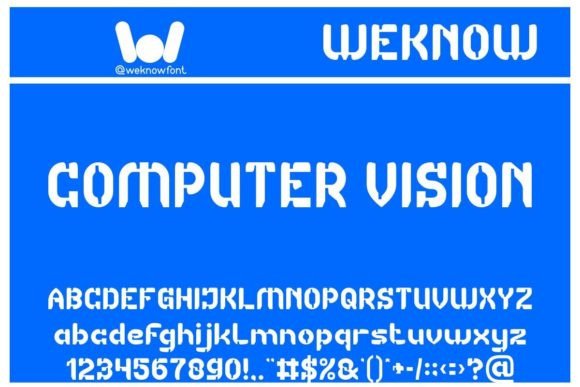
Computer Vision Display Font for Handmade Product Design
As a maker who spends countless hours perfecting product labels, packaging, and digital templates, I know the difference a single typeface can make. Computer Vision is a display font that brings a suave fusion of technology, sci-fi, and futurism into your creative toolkit. This stunning font is designed for crafting compelling logos and irresistible logotypes, making it an ideal choice for handmade sellers and small shop owners who want their products to carry a modern, forward-looking edge. Whether you are designing stickers for a tech-inspired brand or creating packaging for a boutique line, this display font delivers a distinct personality that feels both polished and innovative.
Computer Vision for Product Labels and Boutique Branding
For product labels and boutique branding, Computer Vision as a display font offers a sleek, futuristic look that catches the eye instantly. When I create labels for candles, skincare jars, or artisan food products, I need a typeface that communicates quality and originality without overwhelming the design. Computer Vision fits that need perfectly. Its clean, geometric letterforms carry a subtle sci-fi aesthetic that makes even a simple product name feel like a statement. I have used it on small batch lip balm labels and limited edition candle packaging, and the response from customers has been consistently positive. The font holds up beautifully at smaller sizes on stickers and tags, provided you give it enough breathing room. For a cohesive brand identity, pair Computer Vision with a neutral background and minimal graphics, letting the typography take center stage. This approach works especially well for boutique shops that want to project a modern, confident image without relying on busy ornamentation.
How Computer Vision Elevates Wedding Invitations and Event Signage
When it comes to wedding invitations and event signage, using Computer Vision as a display font adds a touch of modern sophistication that guests will notice. I recently designed a set of welcome signs and place cards for a couple who wanted a contemporary, minimalist theme. The groom is a software engineer, and the bride runs a design studio, so the fusion of technology and futurism in Computer Vision felt like a natural fit. The invitation suite featured the font for the couple’s names and the event date, paired with a simple sans serif font for the body text. At the reception, the welcome board displayed their names in Computer Vision at a larger scale, and the clean, bold lettering was readable from across the room. For wedding stationery, this display font works best for headlines, monograms, and short phrases. I recommend using it on place cards and table numbers as well, as its distinctive style adds a cohesive, high-end feel to the entire event. Just be mindful of spacing—Computer Vision shines when given room to breathe, so avoid cramming it into tight layouts.
Using Computer Vision in Digital Printables and SVG Cut Files
For digital printables and SVG cut files, Computer Vision as a display font offers clean, distinctive lettering that works beautifully for Cricut and Silhouette projects. I sell printable wall art and planner templates on Etsy, and adding Computer Vision to my font library has opened up new design possibilities. The font’s geometric precision translates well into cut lines for vinyl stickers, iron on transfers, and layered paper crafts. When I create SVG templates for motivational quote posters or tech themed home decor, Computer Vision gives the designs a polished, almost architectural quality. The letterforms cut cleanly without excessive weeding issues, which is a major plus for anyone using a cutting machine. For planner stickers and functional labels, I keep the font size above a certain threshold to maintain readability. At 18 points or larger on printed stickers, every character remains crisp and legible. If you are designing digital templates for resale, Computer Vision is a strong choice for headers, titles, and decorative elements that need to stand out in a thumbnail or preview image.
Pairing Computer Vision with Sans Serif Fonts for Balanced Layouts
Pairing Computer Vision with a clean sans serif font creates a balanced layout that highlights the display font's futuristic charm while maintaining readability. In my own projects, I often combine Computer Vision with a simple geometric sans serif for body text and secondary information. The contrast between the bold, distinctive display font and a neutral sans serif prevents the design from feeling too heavy or overly themed. For a product label, I might use Computer Vision for the product name and a lightweight sans serif for ingredients or usage instructions. On a wedding invitation, the couple’s names in Computer Vision are followed by event details in a subdued sans serif. This pairing works because Computer Vision carries a strong visual personality, and a sans serif companion provides a quiet counterpoint that keeps the overall composition professional. If you prefer a warmer feel, you can also experiment with a simple serif font for body text, but I find that a sans serif preserves the modern, tech inspired vibe that makes Computer Vision so distinctive.
Commercial Licensing for Computer Vision in Physical and Digital Products
Understanding commercial licensing for Computer Vision ensures you can legally use this display font in physical products, templates, and digital downloads. As a seller on platforms like Etsy, Amazon Handmade, and my own shop, I always check the font license before launching a new product line. Computer Vision is a premium font, and the standard commercial license typically covers use in physical products such as stickers, labels, apparel, home decor, and packaging. It also covers digital products like printable templates, planner inserts, and SVG cut files if the font is embedded or outlined in the file, meaning the end user does not need to install the font themselves. If you plan to create logo designs for clients or sell templates that include the font as an editable layer, you may need an extended license. Always read the specific terms provided with your purchase. Proper licensing protects your business and ensures that you can continue selling your handmade goods without legal concerns. I recommend keeping a copy of your font license in your business files for reference.
Practical Readability Tips for Computer Vision on Small Formats
For small formats like stickers, tags, and labels, Computer Vision as a display font retains its impact when used with thoughtful sizing and spacing. I have tested this font on product labels as small as one inch square, and the key is to keep the text short—a single word or a short phrase works best. When using Computer Vision on a small sticker, I avoid crowding the design with additional decorative elements. The font itself is visually strong enough to carry the message. On candle labels, I use it for the scent name, keeping the size around 14 to 18 points depending on the label dimensions. For apparel designs, such as quotes on t shirts or tote bags, Computer Vision works well for short statements or single words. The letterforms are wide and open, so they remain readable even at moderate sizes. If you are creating a mockup to preview your design, test the font in black against a white background to see how the shapes hold up. In my experience, maintaining high contrast between the font color and the background is essential for preserving the clean, futuristic look that makes Computer Vision so appealing.
Computer Vision has become a staple in my font collection for projects that require a modern, confident aesthetic. From boutique labels and wedding stationery to digital downloads and SVG templates, this display font delivers a consistent, professional look that resonates with customers. Its fusion of technology and futurism is not just a style choice—it is a practical tool for standing out in a crowded marketplace. If you are a crafter or seller looking to add a distinctive edge to your products, I encourage you to explore what Computer Vision can do for your next design.